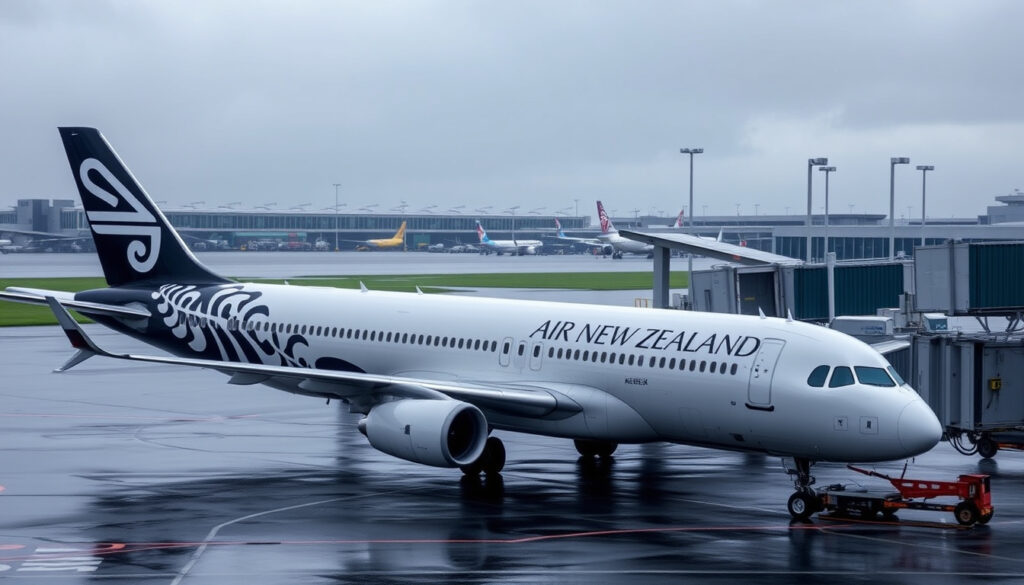
Air NZ Strike Action – Latest Status Cancellations Dates
Air New Zealand faced significant disruption in February 2026 when cabin crew members walked off the job for two days, resulting in the cancellation of dozens of international flights. The action, organized by the E tū union, concluded on February 13, 2026, with the airline now working to restore normal operations.
The strike centered on widebody aircraft operated on long-haul routes, affecting passengers traveling to and from destinations across the Pacific, Asia, and North America. With approximately 9,500 customers impacted, the airline mobilized teams to re-accommodate travelers and minimize inconvenience during the industrial action.
Negotiations between the airline and union representatives had stalled over several months, with both sides citing differing positions on compensation and working conditions. The action marked a notable moment for the carrier, which had not experienced comparable widespread disruption from cabin crew in recent years.
Is there Air NZ strike action today?
No active strike action is currently underway. The cabin crew stoppage concluded at 11:59 PM NZDT on Friday, February 13, 2026, after two days of industrial action. Picketing took place at Auckland Airport, and the union held a press conference that afternoon to discuss the outcome of the action.
Action concluded February 13, 2026
46 international long-haul cancellations
Nearly 9,500 customers
Recovery underway, no ongoing disruptions
Key developments during the strike period included the cancellation of flights operated exclusively by Boeing 787 and 777 aircraft, with no impact on domestic services or flights operated by regional aircraft. The airline’s response prioritized passenger re-accommodation, offering rebooking, refunds, or travel credits to those affected. Union representatives framed the action as a response to sustained pressure on crew working conditions and cost-of-living challenges. Airline management pointed to salary increase offers ranging from 4.14 to 6.41 percent as evidence of good-faith negotiations. Recovery operations extended into the following week, creating residual scheduling adjustments. Both parties indicated a willingness to continue talks, with facilitated bargaining sessions potentially scheduled for mid-to-late February 2026.
| Fact | Details |
|---|---|
| Strike Duration | February 12-13, 2026 (two days) |
| Aircraft Affected | Boeing 787 and 777 widebody fleet |
| Route Scope | International long-haul only |
| Total Cancellations | 46 widebody flights |
| Passengers Affected | Approximately 9,500 customers |
| Union Involved | E tū (over 1,000 flight attendants) |
| Negotiation Duration | 10 months of failed talks |
| Air NZ Salary Offer | 4.14% to 6.41% base increases |
| Revenue Impact | Estimated NZD 18-25 million loss |
| Strike Conclusion | 11:59 PM NZDT, February 13, 2026 |
Air New Zealand cancelled flights list today
Scope of flight cancellations
Air New Zealand proactively cancelled 46 widebody flights in anticipation of the cabin crew strike. The cancellations affected flights operated by Boeing 787 Dreamliner and Boeing 777 aircraft, which handle the airline’s long-haul international network. This proactive approach meant passengers received notification ahead of their travel date, allowing time to make alternative arrangements.
The cancellations did not extend to domestic services or routes operated by narrowbody aircraft. Passengers holding bookings on unaffected routes continued to travel as scheduled throughout the strike period.
All domestic flights operated normally during the strike period. The action was limited to widebody aircraft operating international long-haul routes.
Passenger re-accommodation options
Customers whose flights were cancelled received several options from the airline. Rebooking on alternative services was offered where available, with teams working around the clock to find suitable alternatives. Full refunds were available to passengers who preferred not to travel on alternative flights. Travel credits were also provided as a flexible option for those uncertain about future travel dates.
The airline’s customer service operations experienced high volumes during the strike period, with extended wait times possible for passengers seeking assistance through traditional contact channels. The airline encouraged passengers to use online self-service options where possible to manage rebooking or refund requests.
Recovery timeline
Following the conclusion of industrial action, Air New Zealand initiated a multi-day recovery operation to restore normal scheduling. The ripple effects of the cancellations created scheduling adjustments that extended into the week following the strike. Passengers holding bookings on affected routes during this period were advised to check their flight status prior to travel.
The airline’s Chief Customer Officer, Jeremy O’Brien, emphasized that minimizing disruption remained a priority throughout the recovery phase. Aircraft and crew positioning required careful coordination to return to standard operations.
What are the Air NZ strike dates?
February 2026 strike action
The most recent cabin crew strike occurred on Thursday, February 12, 2026, and Friday, February 13, 2026. The action began at the start of service on February 12 and concluded at 11:59 PM NZDT on February 13. This two-day stoppage represented the culmination of negotiations that had failed to produce agreement over the preceding ten months.
The timing of the action affected the airline during a period of normal high-demand travel, with passengers on trans-Pacific, Asian, and North American routes experiencing the most significant disruption.
The action concluded at 11:59 PM NZDT on February 13, 2026. No ongoing strike action is currently in effect.
Pre-strike period and warnings
Advance notice of the strike allowed both the airline and passengers to prepare for the disruption. The union provided required notification, and the airline began contacting affected passengers ahead of the action to discuss alternatives. Travel alert systems were updated to reflect the anticipated cancellations.
Air New Zealand’s official communications advised passengers to monitor travel alerts and the airline’s mobile application for real-time updates throughout the strike period. The airline’s newsroom provided regular updates on the status of operations and recovery efforts.
No evidence of 2022 strike action
Available records do not indicate comparable cabin crew strike action at Air New Zealand in 2022. The February 2026 industrial action represents the most significant recent disruption from cabin crew, with previous labor discussions at the carrier resolving through negotiation without widespread service cancellations.
Historical context for aviation labor relations in New Zealand suggests that such action is relatively uncommon, making the 2026 strikes notable within the industry. The E tū union, which represents the affected cabin crew members, has been involved in previous negotiations with the airline but had not previously coordinated action of this scale.
Timeline of Air NZ strike action
The following sequence outlines key events leading to and including the February 2026 strike:
- April 2025 – E tū union and Air New Zealand begin formal negotiations over pay, rosters, and working conditions for cabin crew. Source: Business and Human Rights Resource Centre
- January 2026 – Negotiations reach an impasse after approximately ten months of talks fail to produce agreement. Union members vote to authorize industrial action. Source: Asian Aviation
- Early February 2026 – Union provides required 14-day notice of intended strike action. Airline begins notifying affected passengers. Source: Travel Tourister
- February 12, 2026 – Cabin crew on widebody aircraft commence strike action. Air New Zealand cancels flights in anticipation of the action. Source: Business and Human Rights Resource Centre
- February 13, 2026, 4:00 PM NZDT – E tū union holds press conference at Auckland Airport. Picketing continues at the airport throughout the day. Source: Travel Tourister
- February 13, 2026, 11:59 PM NZDT – Strike action concludes. Crew members return to work. Recovery operations commence. Source: Travel Tourister
- Mid-to-late February 2026 – Further pay talks scheduled. Potential facilitated bargaining sessions planned. Source: Travel Tourister
Confirmed and unconfirmed information
| Established information | Information requiring verification |
|---|---|
| Strike dates: February 12-13, 2026 | Complete list of specific cancelled flight numbers |
| 46 widebody flight cancellations | Full details of recovery schedule adjustments |
| Approximately 9,500 passengers affected | Specific routes most heavily impacted |
| E tū union organized the action | Details of ongoing negotiation positions |
| 10 months of failed negotiations | Exact compensation terms being sought |
| Air NZ offered 4.14-6.41% salary increases | Future industrial action plans, if any |
| No 2022 strike action identified | Long-term agreement outcomes |
Background and context
The February 2026 strike reflected broader challenges facing the aviation industry in recruiting and retaining cabin crew. Airlines globally have reported difficulties in staffing levels sufficient to meet demand recovery following pandemic-related workforce reductions. At Air New Zealand, the union highlighted demanding shift patterns and the pressure of rising living costs as key concerns motivating members.
Union secretary Rachel Mackintosh described the strike as a “last resort” after negotiations failed to address crew concerns over an extended period. The union represented over 1,000 flight attendants in the dispute, making it one of the largest coordinated actions by cabin crew at the airline in recent memory.
Air New Zealand maintained that its salary offer represented a substantial increase, describing the proposed raises as above inflation. The airline emphasized its commitment to reaching an agreement while also prioritizing passenger welfare during the industrial action. The estimated revenue loss of NZD 18-25 million underscores the financial impact of the disruption on the carrier.
Sources and official positions
Air New Zealand offered base salary increases of 4.14 to 6.41 percent, describing the proposal as above-inflation adjustments designed to address crew concerns while maintaining competitive operations.
— Air New Zealand communications, February 2026
The strike was called as a last resort after ten months of negotiations failed to address the pressure our members face from demanding shift work and rising costs like rent.
— Rachel Mackintosh, E tū union secretary
Information in this article draws from reporting by Travel Tourister, Asian Aviation, and the Business and Human Rights Resource Centre. Official statements from Air New Zealand and the E tū union informed key details regarding the negotiation positions of both parties. Video documentation and images from Auckland Airport provided visual confirmation of picket lines and grounded aircraft during the strike period.
Travelers seeking the most current information on Air New Zealand operations can access the airline’s travel alerts page or monitor official communications through the newsroom. The airline’s customer service teams continue to assist passengers with rebooking or claims related to cancelled flights.
Summary and current status
The cabin crew strike at Air New Zealand concluded on February 13, 2026, after two days of industrial action that resulted in 46 international flight cancellations and approximately 9,500 passengers affected. The action, organized by the E tū union following ten months of failed negotiations, centered on pay and working condition concerns. Air New Zealand has indicated a willingness to continue talks, with facilitated bargaining sessions potentially scheduled for later in February 2026. Recovery operations are underway, and no ongoing disruptions have been reported since the strike concluded. For those planning future travel, checking current flight status through official channels remains advisable.
Travelers interested in comparing flight options on other routes may find the Auckland to Brisbane Flights – Cheap Deals, Direct Schedules resource helpful for regional planning. Those considering alternative long-haul destinations can also review Flights Christchurch to London – Cheapest Fares, Airlines and Booking Guide for additional travel options.
What flights were cancelled during the Air NZ strike?
Air New Zealand cancelled 46 widebody flights operated by Boeing 787 and 777 aircraft on February 12-13, 2026. These cancellations affected international long-haul routes only, with no impact on domestic services.
Is the Air NZ strike still happening?
No. The cabin crew strike concluded at 11:59 PM NZDT on February 13, 2026. No ongoing industrial action was reported following the conclusion of the two-day stoppage.
How many passengers were affected by the Air NZ strike?
Approximately 9,500 passengers had their travel disrupted during the strike period. The airline offered rebooking, refunds, or travel credits to affected customers.
Were domestic flights cancelled during the Air NZ strike?
No. The strike action was limited to cabin crew on widebody aircraft operating international long-haul routes. Domestic flights and services operated by narrowbody aircraft continued normally throughout the strike period.
What were the main causes of the Air NZ cabin crew strike?
The E tū union cited 10 months of failed negotiations over pay, rosters, and working conditions. Union representatives highlighted demanding shift patterns and rising living costs as key concerns motivating members to authorize industrial action.
Did Air NZ cabin crew strike in 2022?
No evidence exists of comparable cabin crew strike action at Air New Zealand in 2022. The February 2026 industrial action represents the most significant recent disruption from cabin crew at the airline.
What salary increases did Air NZ offer during negotiations?
Air New Zealand offered base salary increases ranging from 4.14 to 6.41 percent, describing the proposal as above-inflation adjustments. The union’s response to this offer remained a subject of negotiation throughout the dispute.
More related posts
 South New Brighton School: Uniform, Decile, Term Dates & Fees
 Puppies for Sale Christchurch: Buying Guide & Breeder Tips
 Te Kopua Whanau Camp – Raglan’s Budget Beach Campground
 Dry Herb Vaporizer NZ: Best Vapes, Prices & Where to Buy
 How to Win Friends and Influence People: Summary & Guide
 How Long Should a Cover Letter Be? Ideal Length Guide
 Tell Me Lies Season 3: Release Date, Finale & Ending Explained
 How to Cook Beetroot: Best Methods – Boil, Roast, Microwave