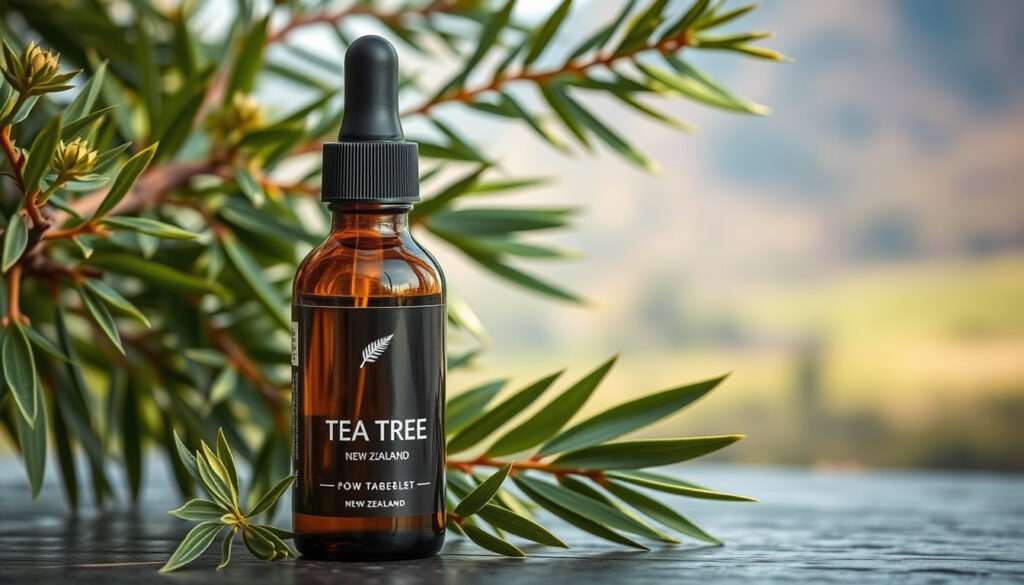
Tea Tree Oil NZ: Uses, Benefits, Safety, and Where to Buy
Few natural products sit in New Zealand bathroom cabinets as often as tea tree oil. Its reputation for tackling everything from pimples to fungal infections has made it a household staple — but the way you use it matters as much as the brand you pick. This guide walks through what tea tree oil can actually do, where the risks hide, and exactly where to buy it in New Zealand, from supermarkets to specialist online stores.
Global supply dominance: Australia and New Zealand produce over 90% of tea tree oil worldwide ·
Key active compound standard: 30–40% terpinen-4‑ol in therapeutic-grade oil ·
Broad-spectrum efficacy: inhibits over 60 species of bacteria and fungi in peer-reviewed studies ·
NZ retail price range: NZ$25–64 per 100mL for consumer-grade tea tree oil
Quick Snapshot
- Essential oil distilled from Melaleuca alternifolia leaves (Thursday Plantation New Zealand brand product page)
- Native to Australia, widely manufactured and sold in New Zealand (Thursday Plantation New Zealand brand product page)
- Known for antiseptic, antifungal, and anti-inflammatory properties (Thursday Plantation New Zealand brand product page)
- Acne, blemishes, and minor skin infections (The Apothecary New Zealand retailer)
- Dandruff, athlete’s foot, and nail fungus (The Apothecary New Zealand retailer)
- Household cleaning and disinfecting solutions (The Apothecary New Zealand retailer)
- Always dilute with a carrier oil before skin application (Medsafe New Zealand medicines regulator)
- Avoid eyes, inner nose, and mucous membranes (Medsafe New Zealand medicines regulator)
- Never ingest — tea tree oil is toxic if swallowed (IXOM Safety Data Sheet New Zealand chemical supplier)
- Woolworths (Thursday Plantation 25mL ~ NZ$15.99)
- Chemist Warehouse, New World, Countdown, Pak’nSave
- PureNature NZ and HealthPost online
The key facts table below shows the five parameters every buyer should check.
| Parameter | Value |
|---|---|
| Botanical name | Melaleuca alternifolia |
| Key active compound | Terpinen-4-ol (30–40% in therapeutic grade) |
| Common carrier oils | Coconut, jojoba, olive, almond |
| Dilution ratio for adults | 1–2 drops per teaspoon (5mL) carrier oil |
| NZ average retail price (25mL) | NZ$15 – NZ$18 |
What is tea tree oil NZ used for?
Common uses in New Zealand households
- Tea tree oil is applied to minor cuts, pimples, and minor infections because it inhibits a broad spectrum of bacteria and fungi (The Apothecary New Zealand retailer).
- Many Kiwis add a few drops to homemade cleaning solutions, leveraging its disinfectant properties for surface sprays and laundry boosters.
The pattern: tea tree oil earns its place through broad antimicrobial action, not by targeting a single condition. For everyday skin and home care, that breadth is exactly why it appears on so many NZ bathroom shelves.
Skin and wound care applications
- For blemishes and pimples, a single drop diluted in a carrier oil is dabbed onto the spot twice a day.
- For minor cuts, the oil is used to cleanse and protect the wound after initial washing.
Raglan Botanicals lists abscesses, fungal infections, athlete’s foot, warts, and verrucas as conditions where tea tree oil is applied (Raglan Botanicals New Zealand aromatherapy brand).
Hair and scalp treatments
- Two to three drops of tea tree oil added to a palmful of shampoo helps manage dandruff and an itchy scalp.
- Scalp treatments often combine tea tree oil with a carrier oil, massaged in for five minutes before rinsing.
The upshot: for scalp issues, tea tree oil offers a gentle alternative to medicated shampoos — provided it is adequately diluted, because 15% concentrations have caused severe reactions in NZ patients (Medsafe New Zealand medicines regulator).
Household cleaning and disinfecting
- A common DIY all-purpose cleaner uses 20 drops of tea tree oil per cup of water and vinegar.
- Tea tree oil’s antifungal properties make it suitable for bathroom mould sprays.
Can you put tea tree oil directly on your skin?
Risks of undiluted application
A young patient in New Zealand suffered a severe systemic reaction after 15% tea tree oil was applied topically to a cut (Medsafe New Zealand medicines regulator). Medsafe’s guidance is clear: tea tree oil can cause allergic or irritant reactions when applied to skin, and the NZ adverse event notification system recorded eight reports of side effects since 2000, including application site reaction, pain, burn, dermatitis, pruritus, urticaria, blister, and oedema.
- Undiluted tea tree oil causes skin irritation, burning, and allergic reactions in many users.
- The IXOM Safety Data Sheet classifies tea tree oil as a skin irritant and eye irritant, with skin sensitization hazards (IXOM Safety Data Sheet New Zealand chemical supplier).
The trade-off: tea tree oil’s potency is precisely what makes it effective — and what makes it dangerous when misused. A 1–2% dilution in a carrier oil preserves antimicrobial activity while dramatically lowering irritation risk.
Recommended dilution ratios
For adults, 1–2 drops of tea tree oil per 5mL (one teaspoon) of carrier oil — coconut, jojoba, olive, or almond — is the standard safe range.
Patch testing procedure
- Apply the diluted mixture to a small area of inner forearm.
- Wait 24 hours and check for redness, itching, or swelling before wider use.
New Zealand consumers who skip dilution because they assume “natural” means “safe” face a real risk: the regulator documents systemic and local reactions even from 15% oil. The safe starting point — a 2% dilution — costs nothing extra and eliminates most adverse outcomes.
Where should you not use tea tree oil?
Areas to avoid on the body
- Eyes, inner nose, genitals, and broken skin are off-limits.
- Deep wounds and third‑degree burns should not be treated with tea tree oil without medical advice.
Use around eyes and mucous membranes
The IXOM Safety Data Sheet lists tea tree oil as an eye irritant — contact with eyes can cause pain, redness, and temporary vision disturbance (IXOM Safety Data Sheet New Zealand chemical supplier).
Oral use and ingestion dangers
- Tea tree oil is highly toxic if swallowed. The safety data sheet warns it may be fatal if swallowed and enters airways.
- The New Zealand Poisons Information Centre number is 0800 764 766 — available all hours (IXOM Safety Data Sheet New Zealand chemical supplier).
What this means: tea tree oil belongs on the skin only — never in the mouth, never in the nose, and never in the eyes. The NZ Poisons Information Centre fields calls every year from adults who assume a drop on gums is harmless.
Social media trends recommending tea tree oil for gum infections, earaches, or nasal decongestion are directly contradicted by the official NZ safety data sheet. One teaspoon swallowed can cause serious poisoning; even topical use near mucous membranes risks chemical burns.
Is tea tree oil really antifungal?
Scientific evidence for antifungal properties
Yes — tea tree oil has demonstrated antifungal activity against Candida, Trichophyton, and other common fungi in multiple peer-reviewed studies. It inhibits over 60 species of bacteria and fungi, making it one of the broadest‑spectrum essential oils available.
Common fungal conditions treated with tea tree oil
- Athlete’s foot: a few drops diluted in a carrier oil applied to affected skin twice daily.
- Nail fungus: daily application of diluted oil to the nail bed for several months.
- Dandruff: two drops added to shampoo, left for two minutes, then rinsed.
Comparison with over-the-counter antifungal creams
Tea tree oil is less potent than prescription antifungals like clotrimazole or terbinafine, but it is effective for mild cases and can be a gentler first‑line option. The optimal concentration for nail fungus compared to prescription treatments is not fully established in large trials.
The pattern: tea tree oil is a legitimate antifungal, but it is a first‑line helper, not a replacement for medical treatment in persistent or severe infections. For mild athlete’s foot or occasional dandruff, it works well; for deep nail infections, a podiatrist is still the better call.
Where to buy tea tree oil in NZ?
Popular retailers: Chemist Warehouse, Woolworths, New World, Countdown
- Thursday Plantation 100% Pure Tea Tree Oil 25mL is available at Woolworths NZ for approximately NZ$15.99 (Thursday Plantation New Zealand brand product page).
- Chemist Warehouse stocks multiple tea tree oil brands including Thursday Plantation and generic options.
- New World, Countdown, and Pak’nSave carry Thursday Plantation in their health and beauty aisles.
Online options: PureNature NZ, HealthPost
- PureNature NZ offers a 50mL Australian Tea Tree Essential Oil with natural antiseptic properties (PureNature NZ online retailer).
- HealthPost stocks Thursday Plantation and other tea tree oil products with nationwide delivery.
Brand comparison: Thursday Plantation vs PureNature vs generic
Five products, one pattern: price per mL varies from NZ$0.64 to NZ$1.00.
| Brand | Size | Approx price | Price per mL |
|---|---|---|---|
| Thursday Plantation (Woolworths) | 25mL | NZ$15.99 | NZ$0.64 |
| PureNature NZ (online) | 50mL | NZ$34.00 | NZ$0.68 |
| Generic (Chemist Warehouse) | 30mL | NZ$19.99 | NZ$0.67 |
| Thursday Plantation (online) | 12mL | NZ$11.99 | NZ$1.00 |
| Raglan Botanicals (online) | 10mL | NZ$9.50 | NZ$0.95 |
The trade-off: smaller bottles cost more per mL, but they also reduce the risk of the oil oxidising before you finish it. Tea tree oil does expire — and old oil is more likely to cause skin irritation.
This 100% pure, 100% natural oil is a powerful antibacterial, prevents spread of bacteria on the skin and cleanses and protects.
Thursday Plantation product description
Australian Tea Tree essential oil with natural antiseptic properties. Supports skin healing, scalp health, and household cleaning.
PureNature NZ product page
Tea tree oil may have benefits for topical use. It may target certain bacteria and support skin health when used as directed.
Healthline editorial team
Final takeaway
Tea tree oil is a legitimate, well‑studied natural antiseptic and antifungal — but its potency demands respect. New Zealand consumers have excellent access to quality products at supermarkets and online, but the safest buy is not necessarily the cheapest one. A standardised 30–40% terpinen-4‑ol content, clear dilution instructions on the label, and a manufacturer with a NZ‑specific safety data sheet are the marks of a product worth reaching for. For the Kiwi household, the choice is clear: dilute properly, patch test first, and buy from a retailer that takes safety warnings seriously — or risk a reaction that sends you straight to the Poisons Information Centre.
parklands.store.freshchoice.co.nz, aromasense.co.nz, trademe.co.nz, zoompharmacy.co.nz, greenbeans.co.nz, thewarehouse.co.nz, silkrute.co.nz
Frequently asked questions
Can tea tree oil help with cold sores?
Some evidence suggests diluted tea tree oil may reduce cold sore duration, but it should never be applied undiluted near the mouth.
How long does it take for tea tree oil to work on acne?
Most users see improvement within 2–4 weeks of daily application, but optimal concentration varies by individual and is not fully established in large trials.
Is tea tree oil safe for dogs and cats?
Tea tree oil is toxic to pets even in small amounts. Never apply it to animals without veterinary guidance — the NZ Poisons Information Centre also handles pet poisonings.
Can I mix tea tree oil with shampoo?
Yes — add 2–3 drops to a palmful of shampoo to help with dandruff and an itchy scalp. Rinse thoroughly.
Does tea tree oil expire?
Yes. Tea tree oil oxidises over time, which can increase skin irritation risk. Most bottles have a shelf life of 2–3 years after opening.
How often can I apply tea tree oil to my skin?
Once or twice daily is typical for spot treatment of acne or fungal infections. Overuse increases irritation risk.
What does tea tree oil smell like?
Strong, medicinal, and camphoraceous — a sharp eucalyptus‑like scent that most people find recognisable instantly.
More related posts
 Auckland to Waiheke Ferry: Prices, Timetables & Tips
 Super Rugby Quarter Finals 2025: Format, Dates, Draw & Results
 Shops Open Near Me: 24 Hour, Sunday & Tesco Openings in Dublin
 Second Hand Relocatable Homes NZ: Complete Buyer’s Guide
 Private Jets Nelson Airport Noise – The Controversy Explained
 ANZ Floating Interest Rate 2025: Current Rates and Guide
 Short Haircuts for Older Women – Flattering Styles for Every Face
 3 Tablespoons Butter to Grams – Exact Conversion and Chart