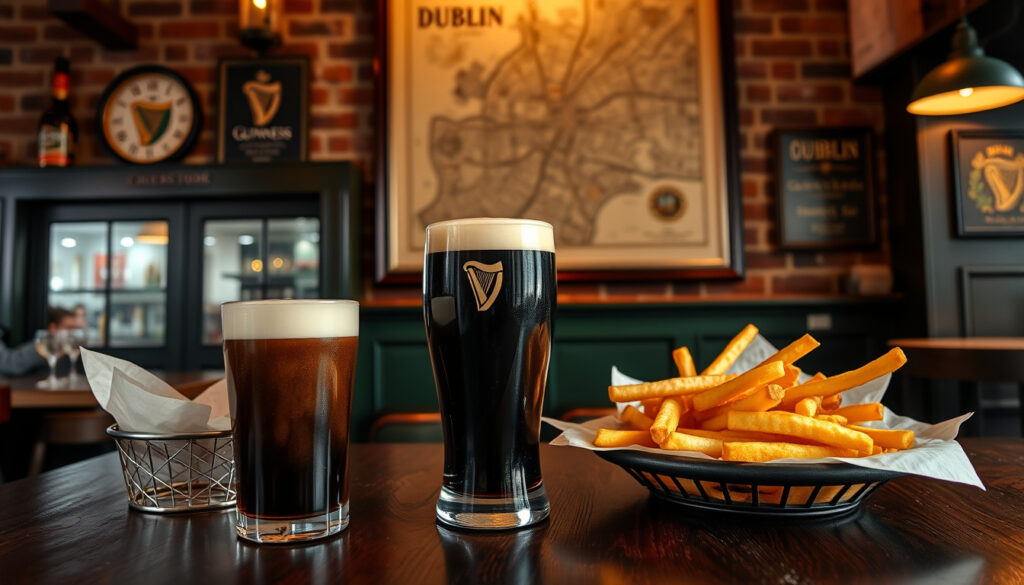
Best Burger Places Near Me: Dublin Guide & Tips
Anyone who’s walked through Dublin’s city centre knows the smell of sizzling patties is never far away. But with dozens of spots all claiming the best burger, finding a truly great one – especially on a budget – takes a bit of know-how. This guide cuts through the noise, combining local recommendations, cooking techniques, and health considerations so you can make your next burger decision with confidence.
Number of recommended burger spots in Dublin: 6 ·
Top cheap burger listings: 10 ·
Bunsen burger locations: 3 ·
Irish beef in Bunsen burgers: 100%
Quick snapshot
- Bunsen uses 100% Irish beef (Urbanary venue directory)
- Smash burger technique involves pressing a thin patty on a hot griddle (Just Eat – Wingman Clontarf menu)
- Diabetics should monitor carb intake from buns and sauces (Diabetes UK guidance)
- The 5-6-7 burger rule origin is debated (Reddit burger forums)
- Best burger of all time is subjective (Tripadvisor review – Caribou Dublin)
- Exact number of cheap burger spots in Dublin fluctuates (SquareMeal cheap eats guide)
- Hogs & Heifers open Sun–Thu 12pm–10pm, Fri–Sat 12pm–11pm (Dining in Dublin – Hogs & Heifers)
- Supermacs Westmoreland St open 11:00–1:45 (weekdays) and 11:00–3:30 (weekends) (Uber Eats – Supermacs Westmoreland)
- Try a smash burger from Wingman Clontarf or Born for Burgers (Just Eat – Born for Burgers menu)
- Explore the traditional Dubliner Burger at Restaurant 104 (Tripadvisor – Restaurant 104 photo caption)
Six burger spots, one pattern: nearly all of Dublin’s top-rated burger joints emphasise Irish beef and affordable pricing. Here’s a closer look.
| Label | Value |
|---|---|
| Most loved burger chain in Dublin | Bunsen |
| Best cheap burger list | Top 10 from reviews |
| Traditional Irish burger | Dubliner Beef Burger |
| Popular cooking technique | Smash burger |
What is the 5 6 7 burger rule?
You might see the “5-6-7 burger rule” on cooking forums: 5 minutes on the first side, 6 minutes on the second, and 7 minutes under a lid to melt cheese. It’s a guideline for thin smash-style patties, not a universal law. The rule is popular among home cooks but its origin is uncertain — no official culinary authority endorses it.
How does the 5-6-7 rule affect burger doneness?
- 5 minutes on side one creates a solid sear without overcooking the interior (Serious Eats – The Food Lab)
- 6 minutes on side two ensures the patty is cooked through for thin patties
- 7 minutes with the lid on traps steam and melts cheese evenly
What patty thickness works best for this rule?
The rule works best with patties about ¼-inch thick — the kind used in smash burgers. Thicker patties (½-inch or more) will be undercooked in the centre with these timings.
The 5-6-7 rule is a rough starting point, not gospel. Your stove heat, pan material, and patty composition all affect actual cooking time. Use a thermometer: 160°F (71°C) is the safe internal temperature for ground beef.
The implication: if you’re following the 5-6-7 rule, you’re likely cooking a thin smash burger. For home cooks, it’s a helpful mental timer — but don’t rely on it blindly.
Where can I find a cheap burger in Dublin?
Dublin’s cheap burger scene is thriving, with several spots offering quality patties under €13. Here are the top picks from local guides and delivery platforms.
Top 10 cheap burger spots in Dublin
- Bunsen – 3 Anne St S, Dublin 2. Prices from €8.75 to €12.65 (Yelp – Bunsen Dublin review summary)
- Wingman Clontarf – Smash burgers from €11.50 to €12.50, 100% Irish beef (Just Eat – Wingman Clontarf menu)
- Born for Burgers – 17 Dame St, Dublin 8. “A Good Smash Burger” at €11.95, uses 100% Irish beef (Just Eat – Born for Burgers menu)
- Bobo’s Burgers – Uses only Irish meat (SquareMeal – best cheap eats Dublin)
- El Grito – Described as “through the floor” pricing for quality (SquareMeal – cheap eats guide)
- Hogs & Heifers – Locations in Swords and Liffey Valley (Dining in Dublin – Hogs & Heifers)
- Supermacs Westmoreland St – Budget-friendly options, open late (Uber Eats – Supermacs Westmoreland)
- Caribou Dublin – Smash burger praised on Tripadvisor as “perfection” (2025 review) (Tripadvisor – Caribou Dublin review)
- Restaurant 104 – Serves a homemade Irish beef burger with Ballymaloe relish (Tripadvisor – Restaurant 104)
- The Big Boys Glasnevin – Listed on StraightFrom delivery (StraightFrom – The Big Boys Glasnevin)
Average price range for a budget burger in Dublin
Based on menu snapshots, a basic burger in Dublin costs between €8.75 and €12.65, with smash-style options clustered around €11.50–€12.50. Adding cheese or a double patty can push prices to €14–€15.
Tips for finding deals
- Check delivery platforms (Just Eat, Uber Eats) for exclusive offers
- Visit during lunch hours – many spots offer meal deals before 3pm
- Stick to single-patty burgers; doubles cost nearly twice as much
For budget-conscious Dubliners, the gap between a “cheap” burger and a “quality” burger is narrowing. Places like Bunsen and Wingman prove you don’t need to spend €15+ for a patty made with Irish beef. The trade-off: you’ll trade seating and table service for speed and affordability.
The pattern: Dublin’s cheap burger scene is dominated by places that prioritize Irish beef and the smash technique. If you’re after a bargain, aim for single-patty smash burgers from Bunsen, Wingman, or Born for Burgers.
Is there an Irish burger?
Yes – the “Dubliner Beef Burger” is a classic Irish style, featuring a beef patty topped with streaky bacon and mature cheddar. It’s a hearty, no-fuss burger that reflects Irish pub culture.
What defines an Irish burger?
- Use of Irish beef – often from local butchers or grass-fed herds
- Toppings: bacon (streaky rashers), cheddar cheese, sometimes caramelised onions or Ballymaloe relish
- Bun: typically a soft brioche or sesame seed bun
Dubliner Beef Burger recipe
Creative Culinary’s version describes a Dubliner burger as “a griddled beef patty with Irish bacon, cheddar, and a smear of Ballymaloe relish.” (Creative Culinary – Dubliner Burger Recipe) It’s a straightforward build that lets the beef quality shine.
How Irish burgers differ from American
American burgers often use a blend of meats (chuck, brisket, short rib) and lean toward heavy sauces and multiple toppings. Irish burgers focus on beef provenance and a short ingredient list – the patty itself is the star. Restaurant 104’s version in Dublin includes “streaky bacon, Cashel blue cheese, caramelised onions, crunchy baby gem lettuce, baby gherkin, Ballymaloe relish, and skinny fries” – classic Irish pub fare.
For anyone craving an authentic Irish burger, look for spots that explicitly mention Irish beef on the menu. Bunsen, Wingman, and Bobo’s all make the claim – and they deliver on taste without the frills.
The upshot is clear: the Dubliner burger is a distinct style that highlights Irish beef and simple, quality toppings.
What is a smash burger?
A smash burger is a thin patty made by pressing a ball of ground beef onto a hot griddle or cast-iron pan, creating a crispy, lacy crust. It’s become a dominant style in Dublin’s burger scene over the past few years.
How to make a smash burger at home
- Form a loose ball of ground beef (80/20 fat ratio works best) – about 3–4 oz each.
- Heat a griddle or heavy skillet to high heat – add a splash of oil.
- Place the ball on the hot surface and smash it firmly with a spatula until it’s about ¼-inch thick.
- Season immediately with salt and pepper.
- Cook for 2–3 minutes until the edges are brown and crispy, then flip.
- Add cheese if desired during the last minute of cooking.
- Serve on a soft bun with pickles, onions, and your choice of sauce.
Don’t oversmash – pressing too hard or for too long can push out all the juices and dry out the patty. Use a thin spatula and apply firm, even pressure for about 10 seconds, then release.
Why smash burgers are popular
The technique creates maximum surface area for browning (the Maillard reaction), delivering intense flavour in a short cooking time. Dublin’s Wingman and Born for Burgers have built their menus around this style, and customers keep coming back for the texture contrast – crispy edges, tender centre.
Smash burger vs regular burger
- Smash: thin, crispy edges, cooked quickly at high heat
- Regular: thicker patty (½-inch or more), cooked medium-rare to well-done, more juicy interior
- Smash burgers are ideal for those who love crunch; regular burgers for those who want a meaty, substantial bite
The trade-off: smash burgers cook faster and need less beef, making them cheaper and quicker – but they lack the thick, juicy centre of a classic pub-style burger.
Are beef burgers ok for diabetics?
A plain beef patty is low in carbohydrates – typically less than 1 gram of carbs per serving. The real issue is the bun, sauces, and toppings, which can spike blood sugar.
Carb considerations and burger buns
- A standard burger bun contains 20–30g of carbs – significant for blood sugar management
- Lettuce wraps or low-carb buns (e.g., almond flour-based) reduce carb load to under 10g
- Sauces like ketchup, BBQ, and relish add 5–10g of sugar per serving
Portion control for diabetics
The American Diabetes Association recommends that a burger patty portion for a diabetic should be about 3–4 oz (85–113 g) – the size of a deck of cards. Double patties double the protein but also the calories – watch overall meal balance.
Best burger toppings for blood sugar management
- Choose leafy greens, tomato, onion, and avocado – low-carb, high fibre
- Avoid sugary sauces; opt for mustard, hot sauce, or a sugar-free mayo
- Cheese in moderation is fine – it adds fat but minimal carbs
For diabetics eating out in Dublin, the safest bet is a single smash burger without the bun – available at most places on request. Bunsen and Wingman both offer lettuce wrap options. Always consult your healthcare provider before making dietary changes.
The implication: a burger can absolutely be part of a diabetic-friendly meal – you just need to skip the bun and choose toppings wisely. The patty itself is not the enemy.
Pros and Cons of Dublin’s Burger Scene
Upsides
- Wide availability of Irish beef – ethical and flavourful
- Affordable options under €13 at multiple reputable spots
- Smash burger trend yields fast, delicious results
- Easy to customise for dietary needs (low-carb, gluten-free)
Downsides
- Limited sit-down experiences for budget burgers
- Quality can vary between branches of chains
- Late-night options are sparse outside city centre
- Some top-rated spots have inconsistent opening hours
The pros outweigh the cons for budget-conscious diners, but be aware of the trade-offs in seating and consistency.
How to Choose a Good Burger Place Nearby
- Check the menu for “100% Irish beef” – a reliable quality signal
- Look at recent reviews on platforms like Yelp, TripAdvisor, or Google (ignore one-off rants)
- If you’re on a budget, target single-patty smash burgers – they offer the best value (£10–£12)
- Confirm opening hours via delivery apps – some places close early or vary by day
- For health considerations, look for low-carb options (lettuce wraps, no bun)
- Try the “Dubliner Burger” at least once – it’s the city’s signature
These steps help narrow down the best options quickly.
What the Locals Say
“Our burgers are made with 100% Irish beef, minced fresh in every restaurant, every day.”
– Bunsen (via Urbanary venue listing)
“Homemade Irish beef burger with streaky bacon, Cashel blue cheese, caramelised onions, crunchy baby gem lettuce, baby gherkin, Ballymaloe relish, and skinny fries.”
– Tripadvisor photo caption for Restaurant 104 (via Tripadvisor)
These quotes reflect the local pride in Irish beef and traditional recipes.
For a deeper dive into the city’s best patties, check out our guide to top burger spots in Dublin for cheap eats and local favorites.
Frequently asked questions
What is the best time to eat a burger?
There’s no single best time, but many Dublin burger spots offer lunch deals (12–3pm) for cheaper prices. Dinner times (6–8pm) often have fuller menus but may be pricier.
How can I make a burger healthier?
Choose a lettuce wrap instead of a bun, load up on veggie toppings, skip sugary sauces, and keep the patty size moderate (3–4 oz).
What sides pair well with burgers?
Skinny fries, coleslaw, onion rings, or a simple side salad. In Dublin, many places serve chips – just watch the salt and oil if you’re health-conscious.
Is Wagyu beef better for burgers?
Wagyu has a higher fat content which can make for a juicier patty, but it’s more expensive and can be greasy. For a budget burger, standard Irish chuck (80/20) is excellent.
How to store leftover burgers?
Wrap the patty (separate from bun and toppings) in foil and refrigerate for up to 3 days. Reheat in a pan or oven – microwaving dries them out.
What’s the difference between a burger and a patty melt?
A patty melt is a burger patty served between slices of grilled bread (typically rye) with cheese and caramelised onions – essentially a burger turned into a grilled cheese sandwich.
These answers cover common questions to help you enjoy your burger experience.
For Dubliners and visitors alike, the burger decision is no longer between cheap and good – you can have both. The city’s embrace of Irish beef and the smash technique means quality is within reach for under €13. The best advice: go for a single smash burger with Irish beef, skip the bun if you’re watching carbs, and enjoy the crispy edges that make Dublin’s burger scene genuinely distinctive.
More related posts
 Māui and the Giant Fish: Māori Legend Behind NZ’s North Island
 Short Haircuts for Older Women – Flattering Styles for Every Face
 Bed Bath and Beyond Upper Hutt: Store Location, Hours & Sale
 New Plymouth to Tauranga: Drive, Bus & Flight Options
 What Did Tim Shadbolt Die Of? Cause of Death, Illness & Obituary
 Ana de Armas Movies: Full Guide to Her Best Films & Career
 Tau Lin Chinese Takeaways Menu: Mangawhai Prices & Top Picks
 Apple Cider Vinegar Gummies: Benefits, Evidence & Best Brands (Ireland)