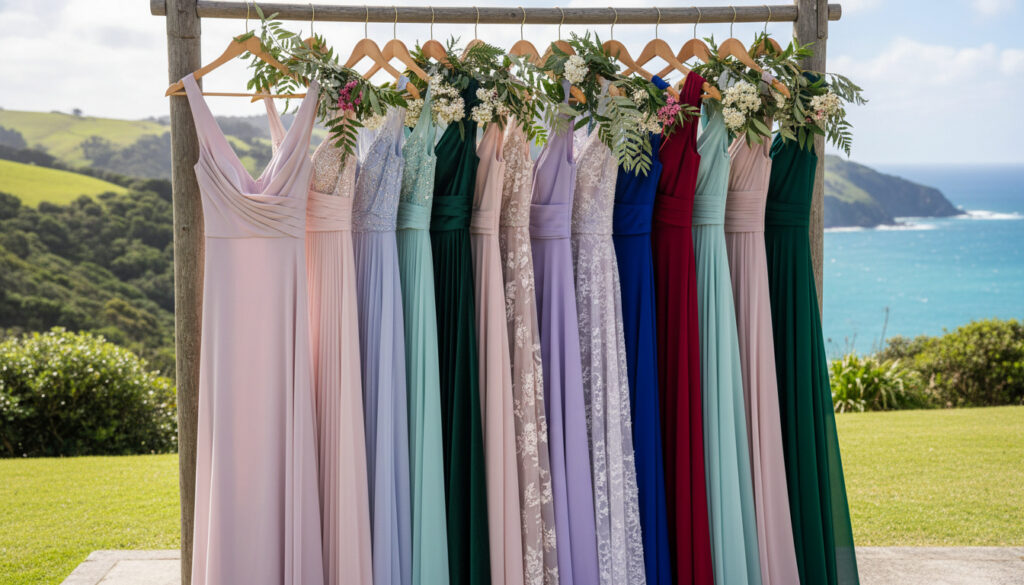
Wedding Guest Dress NZ – Etiquette, Colours and Seasonal Tips
Navigating the unwritten rules of wedding guest attire in New Zealand requires balancing seasonal practicality with social etiquette. From the humid beaches of Northland to the crisp alpine chapels of Queenstown, local celebrations demand outfits that respect both the couple’s vision and the country’s variable climate.
While international trends influence local choices, New Zealand weddings maintain distinct characteristics—outdoor ceremonies dominate, cultural protocols vary by region, and dress codes often carry specific expectations about colour and formality. Understanding these nuances prevents the discomfort of arriving overdressed for a beach barbecue or underdressed for a cathedral ceremony.
This guide examines the essential considerations for selecting appropriate wedding guest dresses across Aotearoa, from colour restrictions that protect the bride’s spotlight to fabric choices that handle December humidity and July frost alike.
What to Wear to a Wedding in New Zealand?
New Zealand weddings span a spectrum of formality levels, from casual backyard gatherings to black-tie hotel balls. The key lies in interpreting the invitation’s dress code while accounting for local weather patterns and venue constraints.
Casual Daytime
Floral midi dresses in breathable fabrics suit garden and registry ceremonies.
Formal Evening
Sleek black maxi or floor-length gowns for hotel and winery receptions.
Beach Wedding
Flowy pastel sarongs or lightweight maxi dresses that handle sea breezes.
Winter Indoor
Velvet long-sleeve gowns or structured midi dresses in rich jewel tones.
Key Insights for NZ Wedding Guests:
- Midi and maxi lengths dominate as the most versatile options across all venue types
- Black receives widespread acceptance for formal, evening, and winter celebrations
- White, cream, and ivory remain exclusively reserved for the bridal party
- Lightweight chiffon and linen accommodate New Zealand’s humid summer conditions
- Velvet and brocade textures provide appropriate warmth for July and August ceremonies
- Religious venues universally require shoulder coverage regardless of season
| Consideration | Recommendation | Context |
|---|---|---|
| Colours to Avoid | White, ivory, cream, champagne, ecru | Reserved exclusively for the bride |
| Safe Neutral Alternatives | Navy, charcoal, blush, metallics | Appropriate across all dress codes |
| Summer Fabric Choices | Chiffon, linen, crepe, lightweight cotton | Breathability for December-Feb humidity |
| Winter Fabric Choices | Velvet, heavy silk, brocade, wool blends | Warmth for June-August indoor venues |
| Daytime Appropriate Lengths | Midi, knee-length, tea-length | Cocktail, semi-formal, and casual codes |
| Evening Formal Lengths | Floor-length, maxi, full gown | Black-tie and formal receptions |
| Beach Ceremony Styles | Flowing maxi, lightweight midi, wrap dresses | Pastels and florals photograph best |
| Religious Venue Requirements | Shoulder coverage, modest necklines | Respectful coverage for churches and marae |
Wedding Guest Dress Colours and Etiquette in NZ
Colour selection carries the highest stakes for wedding guests, with certain shades carrying strict social prohibitions. New Zealand etiquette aligns closely with international standards while maintaining specific local sensitivities about photographic appearance and cultural respect.
Which Colours Should Guests Avoid?
Universal prohibitions across New Zealand weddings include any shade that competes with the bride’s ensemble. Reader’s Digest New Zealand confirms that white, ivory, cream, off-white, champagne, ecru, and pale beige remain off-limits as they read as bridal in photographs. Neon or fluorescent hues—including electric blue, lime green, and hot pink—also appear inappropriate due to their attention-grabbing casualness.
Fashion analysts additionally warn against all-over bright red, overly sequined outfits, and head-to-toe matching of the bridal party colours unless explicitly requested by the couple.
White and cream variants are never appropriate for guests unless the couple specifically requests an all-white dress code. These shades photograph similarly to bridal gowns and create visual confusion in ceremony images.
Is Black Appropriate for NZ Weddings?
Black occupies a nuanced position in local wedding culture. Wedding industry professionals confirm black works elegantly for formal, evening, black-tie, or winter weddings, particularly when styled with textures like lace, chiffon, or velvet accessories. However, guests should reconsider black for daytime summer, beach, or casual outdoor events where lighter colours feel more seasonally appropriate.
For those uncertain about black’s heaviness, style guides recommend alternatives such as midnight navy, charcoal gray, deep plum, burgundy, forest green, or chocolate brown.
How to Interpret Dress Code Wording?
New Zealand invitations typically specify formality through standard terminology. Local event planners note that “black-tie” demands floor-length gowns, while “cocktail” permits midi or knee-length options. “Casual” rarely means jeans; instead, it signals sundresses or elegant separates suitable for outdoor settings.
Best Styles for Wedding Guests in NZ Seasons
New Zealand’s reverse seasonal calendar and maritime climate create specific wardrobe demands. A December wedding in Auckland requires entirely different considerations than a July ceremony in Christchurch.
What Works for Summer Beach Weddings?
Summer ceremonies dominate the local wedding calendar from December through February. Fashion editors recommend lightweight chiffon or crepe fabrics in pastels, jewel tones, or floral accents. Heavy black should be avoided in favour of navy, seafoam, or coral. Nude or metallic sandals and colourful clutches complete the beach-appropriate ensemble.
Midi and maxi dresses dominate as the most adaptable choices for New Zealand weddings. Midis suit cocktail events, while maxis transition seamlessly between black-tie receptions and beachfront ceremonies.
How to Dress for Winter Indoor Ceremonies?
Winter weddings from June through August allow for richer textiles and deeper colour palettes. Local stylists suggest structured midi and maxi styles in velvet, heavy silk, or brocade. Jewel tones—emerald, sapphire, ruby—photograph beautifully against winter’s muted natural light.
Navigating Transitional Spring and Autumn Events
March through May and September through November present variable conditions. Layering becomes essential; guests should select dresses that accommodate cardigans or wraps for outdoor photography sessions while maintaining elegance during indoor receptions. Earth tones and muted florals reflect the seasonal landscapes.
Where to Shop for Wedding Guest Dresses in NZ
Sourcing appropriate attire within New Zealand involves balancing accessibility, budget, and delivery timelines. While international retailers offer extensive selections, local options provide advantages for last-minute purchases.
Finding Affordable Options Locally
Physical boutiques in Auckland, Wellington, and Christchurch stock ranges appropriate for the local climate and social norms. When seeking budget-friendly midi and maxi options, prioritise classic black or navy pieces from accessible labels—these ensure rewearability across multiple events.
When uncertain about specific colour restrictions or formality levels, consult the wedding invitation for hints and contact the bridal party directly. Never assume black is appropriate for daytime summer events without explicit confirmation.
Online Retailers with NZ Delivery
Digital platforms offer expedited shipping to New Zealand addresses, though guests should verify delivery timeframes against the event date. Bridal consultants recommend ordering well in advance to accommodate potential alterations.
Investment Pieces for Multiple Events
Versatile garments justify higher price points when they serve multiple wedding seasons. A well-constructed navy midi or charcoal wrap dress transitions between summer garden parties and winter hotel receptions with appropriate accessory changes. Consider the New Zealand Bed Company – Reviews Warranty Buying Guide approach to investment: prioritise quality construction that withstands repeated wear.
How Do Wedding Guest Outfits Change Through the NZ Year?
New Zealand’s southern hemisphere calendar creates a distinct rhythm for wedding fashion. The following timeline tracks seasonal expectations:
- Summer (December-February): Lightweight fabrics dominate; pastels, florals, and breathable linens suit beach and vineyard venues. Avoid heavy black.
- Autumn (March-May): Transitional layering becomes necessary; earth tones and midi lengths with cardigan options work best.
- Winter (June-August): Rich jewel tones, velvet textures, and full-length gowns provide warmth for indoor receptions.
- Spring (September-November): Floral prints return; lightweight layers accommodate variable weather between outdoor ceremonies and indoor dining.
What Is Definite and What Remains Unclear About NZ Wedding Attire?
While certain rules hold universal application, other aspects of New Zealand wedding dress codes contain regional or subjective variations.
Established Information
- White, cream, and ivory are exclusively reserved for the bride
- Black is acceptable for formal, evening, and winter weddings
- Religious venues require shoulder coverage
- Neon colours and casual jeans remain inappropriate
- Midi and maxi lengths suit most dress codes
Information That Remains Unclear
- Exact definitions of “cocktail” attire vary between Auckland and rural regions
- Whether black suits daytime summer weddings receives conflicting guidance
- Specific availability of local boutique stock changes seasonally
- Price benchmarks for “affordable” versus “luxury” vary by personal budget
Why Do NZ Wedding Dress Codes Differ From Other Countries?
New Zealand’s wedding culture reflects its geography and social history. The prevalence of outdoor venues—from Waiheke Island vineyards to Queenstown lakefronts—necessitates practical footwear and weather-appropriate fabrics rarely considered in European ballroom settings. Additionally, Māori cultural elements increasingly influence ceremony structures, requiring guests to understand protocols around modest dress for marae visits or blessings.
Post-pandemic shifts have also relaxed certain formality expectations, with “smart casual” gaining acceptance for registry office celebrations. However, this casualisation creates confusion for international guests unfamiliar with local norms. The country’s isolation means fashion trends arrive with slight delays, allowing classic silhouettes to maintain relevance longer than in metropolitan European centres.
For context on local consumer behaviour and reliability expectations when purchasing event attire, examining the Spark Mobile Plans Prepaid – Prices Data Rollover and Deals 2025 methodology demonstrates how Kiwis evaluate service commitments—a mindset applicable to bridal boutique deposits and alteration schedules.
What Do Industry Experts Say About Wedding Guest Attire?
Local wedding professionals emphasize context-specific decision making over rigid rules. Their guidance centres on respect for the couple’s vision while maintaining personal comfort.
“New Zealand’s variable climate demands practical elegance. A guest should prioritise fabrics that handle both humidity and sudden temperature drops, particularly for outdoor receptions in regions like Central Otago or the Waikato.”
— Wedding Films New Zealand
“The cardinal rule remains avoiding competition with the bride. In photography, pale beiges and champagnes flash similarly to ivory gowns, creating lasting visual confusion in the couple’s album.”
— Reader’s Digest New Zealand
“When in doubt, midnight navy offers the sophistication of black without the funereal connotations that concern some traditional families. It photographs beautifully against New Zealand’s natural green backdrops.”
— Bright Red Style Guides
How Can Guests Prepare for an Upcoming NZ Wedding?
Preparation involves verifying the venue’s terrain for footwear decisions, confirming dress code specifics with the bridal party when invitations lack detail, and selecting fabrics appropriate for both the season and the couple’s cultural background. Guests should prioritise outfits that allow comfortable movement for extended standing during outdoor ceremonies and dancing at receptions, ensuring the celebration remains focused on the couple rather than wardrobe adjustments.
Frequently Asked Questions
Can men wear shorts to NZ weddings?
Shorts remain inappropriate unless the invitation explicitly states “beach casual” or the ceremony occurs on sand in peak summer. Even then, lightweight linen trousers present a safer choice that respects photographic permanence.
What shoes pair with guest dresses?
Block heels or wedges suit grass and vineyard venues; stilettos risk sinking into lawns. For beach weddings, dressy flat sandals or barefoot options work best. Always bring a backup pair for outdoor receptions.
Are hats appropriate for NZ guests?
Fascinators and formal hats suit daytime races and some garden weddings but generally appear overdressed for evening receptions. Consider the venue formality—acceptable for prestigious rural garden parties, excessive for urban cocktail events.
Can I wear red to a NZ wedding?
All-over bright red can appear attention-seeking in photographs. If choosing red, select deeper burgundy or wine tones, or incorporate red as an accent colour rather than the dominant dress shade.
Is it acceptable to wear pants instead of a dress?
Elegant jumpsuits and tailored pant suits suit most modern weddings, particularly cocktail and formal codes. Avoid business-style suiting; instead, choose flowing fabrics or structured evening separates that maintain celebratory polish.
How do I dress for a Māori cultural wedding?
Marae ceremonies require modest dress covering shoulders and knees as a sign of respect. Remove shoes before entering wharenui (meeting houses). Natural fibres and subdued colours align with cultural preferences for humility.
What should I do if the invitation doesn’t specify a dress code?
Analyze the venue, time, and season. Evening events at hotels suggest cocktail or formal attire. Afternoon garden parties indicate smart casual or semi-formal. When uncertain, contact the couple directly rather than guessing.
More related posts
 Movie Theater Showtimes in Hamilton, New Zealand – Top Cinemas & Deals
 Repayment on Mortgage Calculator: Ireland Formula & Examples
 Where to Find Free Audiobooks: 12 Best Sources in 2026
 Full Moon February 2026 – Snow Moon Date Time Viewing Guide
 What’s My IP Address? Find Your Public and Private IP in Seconds
 Bee Swarm Simulator Codes (May 2026): Active Codes & Rewards
 30 Seconds Spray and Walk Away: Reviews, Directions & Safety
 Galaxy S21 Ultra to Buy 2026: Prices & Worth It Ireland