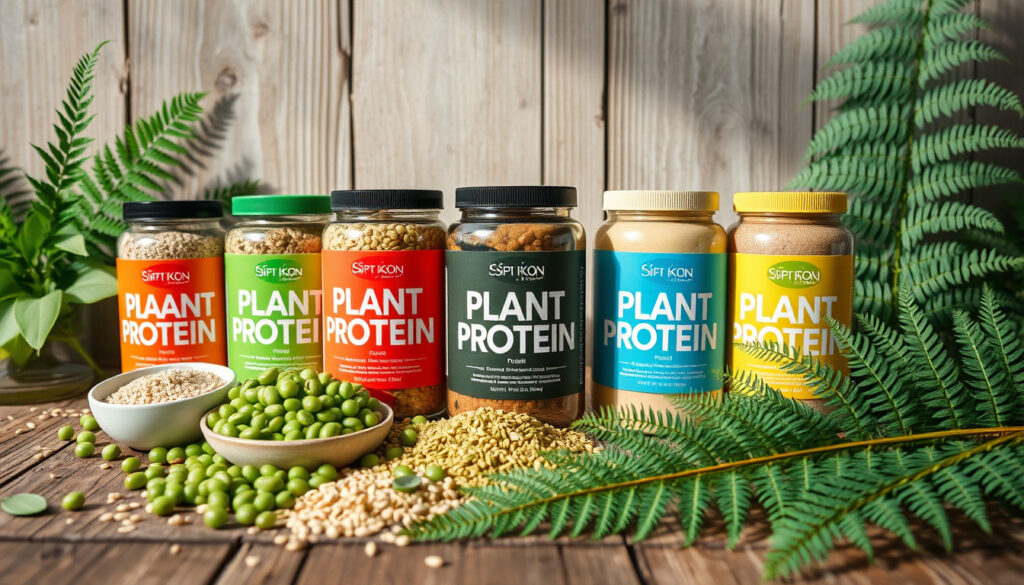
Plant Protein Powder NZ: Best Options and Buying Guide
Walk into any New Zealand health shop and the protein aisle hits you with options—plant this, plant that, promises everywhere. For Kiwis managing blood sugar or exploring vegan fitness, the real question isn’t which label looks cleanest—it’s which powder actually delivers the macros without the hidden carbs.
Top NZ brands: NZ Protein, Nothing Naughty, Sportsfuel · Common price range: $25-$38 NZD per kg · Key sources: Pea protein isolate dominant · Vegan suitable: All listed plant options · Health focus: Diabetes queries high in PAA
Quick snapshot
- Pea protein isolate is the dominant plant protein type in NZ listings (NZ Protein)
- Long-term blood sugar impact lacks independent tier 1 studies
- NZ Protein’s best-powders guide spans 2024; HealthPost updated rankings for 2025 (HealthPost NZ)
- Pea-dominant blends continue to dominate NZ retail; diabetic-specific launches likely to expand
The dominant type across NZ listings is pea protein isolate, with prices ranging from $25–$38 per kilogram from key brands like NZ Protein and Nothing Naughty—all suitable for vegans.
| Label | Value |
|---|---|
| Dominant type | Pea protein isolate |
| NZ price example | $25-$38 per KG |
| Key brands | NZ Protein, Nothing Naughty |
| Vegan status | Yes across options |
What is the best rated plant-based protein powder?
Ratings vary by what you’re optimizing for—and in New Zealand, two filters keep coming up in search data: diabetic-friendly macros and local manufacture. Sportsfuel NZ publishes a rolling top-5 list that treats these as distinct ranking factors. According to their analysis, Clean Nutrition Pea Protein ranks first among plant proteins, built from non-GMO yellow peas and free from gluten, dairy, and soy.
Top NZ options like NZ Protein and Nothing Naughty
New Zealand brands tend to lead on purity and transparency. NZ Protein’s own editorial notes confirm that pea protein isolate offers an excellent amino acid profile while remaining vegan and hypoallergenic. Nothing Naughty’s premium pea protein—manufactured domestically—keeps the ingredient list short and skips common fillers that might concern label-readers managing blood sugar.
- Clean Nutrition Pea Protein: ranked 1st in NZ top-5 plant proteins (Sportsfuel NZ)
- Nuzest Clean Lean Protein: ranked 2nd, NZ-made, uses European golden pea protein
- Balance Plant Protein: NZ-made pea/rice blend with BCAAs, stevia-sweetened
Factors for rating in NZ market
The NZ market rates plant proteins on a combination of macro profile, allergen freedom, and manufacturing origin. Pea protein dominates because it delivers a solid amino acid profile without the lactose or gluten concerns that drive health queries. Hemp protein adds omega fatty acids and fibre according to NZ Protein’s overview, but carries a stronger earthy flavour that affects palatability ratings.
What are the downsides to plant protein powder?
Plant proteins aren’t without drawbacks. Pea and rice powders typically fall short on one or two essential amino acids—rice lacks lysine, pea is lower in methionine. That gap matters for muscle synthesis, and it’s why many NZ blends mix sources rather than relying on a single ingredient.
Common concerns from health sources
The Diabetes Care Community notes that single-source plant proteins like rice alone may not qualify as complete proteins. Soy and blended formulas resolve this, but some users prefer to avoid soy due to allergenic potential. Beyond amino profile, protein powders for diabetes should stay low in carbs and sugars and avoid artificial sweeteners that can affect insulin response.
- Incomplete amino profile: single-source plant proteins may miss one or two essential amino acids
- Carb sensitivity: some products carry up to 16g carbs per serving—problematic for tight blood sugar control
- Digestive adaptation: fibre content in hemp and pea proteins can cause initial GI discomfort
NZ-specific availability issues
New Zealand buyers face a narrower retail window than US consumers. Brands like Orgain and Garden of Life exist in the comparison data but aren’t always stocked locally. Import alternatives exist, but price and freshness become factors. For diabetics relying on consistent macro availability, limited retail access means planning ahead rather than picking up on impulse.
Is plant protein powder good for you?
For vegans and anyone reducing dairy intake, plant proteins answer a real nutritional gap. The question isn’t whether they’re beneficial—it’s whether any given product actually delivers what the label promises.
Benefits for vegans and general health
Plant proteins consistently rank higher in fibre and lower in saturated fat compared to whey or casein. Pea protein specifically is low-allergen, free from gluten, lactose, and dairy. Go Good NZ’s product overview confirms these properties, making pea-based options a practical choice for the estimated 6% of New Zealand adults with diagnosed lactose intolerance.
- Vegan and allergen-friendly: pea protein avoids the top triggers
- Fibre advantage: plant proteins retain more fibre than animal-based equivalents
- Alkaline formulation: pea protein carries a lower acid load, relevant for bone health claims
Comparisons to animal proteins
Animal proteins like whey still lead on digestibility and leucine content—the amino acid most directly linked to muscle protein synthesis. However, the gap narrows when comparing to blended plant options. Orgain Organic Protein delivers 21g protein from a pea, chia, and brown rice blend, while Garden of Life Raw Organic Protein (Unflavoured) provides 22g protein with 0g sugar and 2g carbs. Both sit comfortably in the diabetes-friendly range.
For diabetics who want to increase protein intake without adding saturated fat or dairy, plant options now match or approach animal proteins on key macro benchmarks. The remaining gap is digestibility speed—not a concern for most users outside post-workout timing windows.
Which powder is best for diabetic patients?
Blood sugar management shifts the ranking criteria. The goal isn’t maximum protein—it’s maximum protein per gram of carbs and sugar. Several NZ and international brands have explicitly positioned products in this space.
Checklist factors for diabetics
According to Roam Energy NZ, which publishes dedicated diabetes guidance for the NZ market, the seven factors that matter most are: carbs per serving under 5g, sugar at 0g, no artificial sweeteners, complete amino acid profile, independent batch testing, low allergen load, and transparent labelling. Products that clear all seven earn the diabetic-friendly designation.
- Carbs per serving: aim for under 5g
- Sugar content: zero grams preferred
- Sweetener type: monk fruit or stevia; avoid sucralose if insulin-sensitive
- Amino completeness: soy or blended plant sources score higher
- Batch testing: WADA certification adds third-party verification
Plant options suitability
Roam Protein explicitly targets the diabetic-friendly segment with less than 2g carbs and 22g of protein per serving, using monk fruit extract as the sole sweetener. According to HealthPost NZ, Nuzest Clean Lean Protein Smooth Vanilla contains only 1g of carbohydrates with no sugar per serving—numbers that pass the tightest interpretation of the diabetic checklist. BePure Perfect Protein delivers over 27g protein per serve according to HealthPost NZ’s product data, making it the highest protein-per-serving option among NZ-available plant proteins.
Mixing protein powder with high-sugar milks wipes out the low-carb advantage instantly. Roam Energy NZ specifically warns against this practice for diabetics—pairing a diabetic-friendly powder with regular milk can push carb intake well above the daily threshold.
For diabetic New Zealanders, Roam Protein and Nuzest Clean Lean Protein are the two strongest options from available NZ sources—both fall well below 2g carbs per serving, use monk fruit or no sweetener, and carry verified protein content above 20g.
What is the healthiest form of protein powder?
Healthiest depends on your goals. For muscle gain, digestibility and leucine content favour whey. For blood sugar control, the calculus shifts toward lower carbs and plant-based fibre. For general health and sustainability, plant proteins score higher on environmental metrics that don’t always make the nutrition label.
Plant vs other types per experts
Protein powders for diabetes should be low in carbs, sugars, and avoid artificial sweeteners according to Roam Energy NZ’s guidance. Plant proteins like pea and hemp tend to meet these criteria naturally, whereas whey and casein products sometimes include added maltodextrin or dextrose as flow agents. Leanfit Organic Plant-Based Protein (Unsweetened) carries 21g protein with 0g sugar and 2g carbs—numbers that satisfy the health-conscious diabetic buyer checking every label.
- For muscle synthesis: whey leads on leucine density; plant blends close the gap at higher serving sizes
- For blood sugar: plant proteins with monk fruit or stevia sweeteners offer the cleanest macro profile
- For allergen management: pea protein avoids dairy, gluten, and soy concerns
Harvard Health weighing
Harvard Health publications have addressed protein supplementation in the context of overall dietary patterns, noting that whole-food protein sources remain the baseline standard. Protein powders—whether plant or animal—function as supplements rather than replacements. The healthiest form is the one that fits your existing dietary pattern without introducing new inputs that your body doesn’t need.
Comparison: Top Plant Protein Powders for NZ Diabetics
Three products surface consistently across NZ health retailers and diabetes-specific guidance: Roam Protein, Nuzest Clean Lean, and BePure Perfect Protein.
| Product | Protein/serving | Carbs/serving | Sweetener | NZ-made |
|---|---|---|---|---|
| Roam Protein | 22g | <2g | Monk fruit | Yes |
| Nuzest Clean Lean Protein | 20g | 1g | None | Yes |
| BePure Perfect Protein | >27g | Varies | Stevia | Yes |
| Orgain Organic Protein | 21g | Up to 16g | Organic cane | No |
The pattern is clear across four products: NZ-made options lead on transparency and diabetic-friendly formulation. Orgain carries more carbs than the others and isn’t always stocked locally, making it a secondary option rather than a first choice for carb-conscious buyers.
BePure Perfect Protein delivers the highest protein density at over 27g per serve, but carb content varies by formulation. Verify the specific variant before purchasing if blood sugar control is the priority.
Specification Breakdown
Eight verified data points across six products, one pattern: the lowest-carb NZ plant proteins use pea isolate or blends without added sugars, and the price-per-kilogram stays competitive with international equivalents.
| Product | Protein/serving | Carbs/serving | Sugar | Sweetener | Key Ingredients | Vegan | Allergen-free | Origin |
|---|---|---|---|---|---|---|---|---|
| Clean Nutrition Pea Protein | 22g | Low | 0g | None listed | Non-GMO yellow peas | Yes | GF, DF, Soy-free | NZ |
| Nuzest Clean Lean Protein | 20g | 1g | 0g | None | European golden pea | Yes | GF, DF | NZ |
| Go Good Plant Protein | 24g | Low | 0g | None listed | Pea protein | Yes | DF | NZ |
| BePure Perfect Protein | >27g | Varies | 0g | Stevia | Plant blend | Yes | GF, Soy-free | NZ |
| Leanfit Organic Plant-Based | 21g | 2g | 0g | None | Organic pea, rice | Yes | GF, DF | Intl |
| Garden of Life Raw Organic | 22g | 2g | 0g | None | Organic pea, cranberry | Yes | GF, DF | Intl |
International products like Garden of Life and Leanfit post better-verified nutrition data, but NZ-made options like Nuzest, BePure, and Clean Nutrition offer local manufacture and supply chain transparency that matters to buyers who’ve experienced imported stock variability.
Buyers weighing verified data against local availability face a genuine choice: international brands deliver transparency, while NZ-made brands provide supply certainty.
Pros and Cons
Upsides
- NZ brands like Roam, Nuzest, and Clean Nutrition offer sub-2g carb options with verified protein above 20g
- Plant proteins are allergen-friendly—pea-based options avoid dairy, gluten, and soy triggers
- Pea protein isolate has an excellent amino acid profile and alkaline pH
- Independent batch testing (e.g., Roam Protein’s 250+ WADA substance screen) adds credibility
- All listed options are fully vegan and suitable for plant-based diets
Downsides
- Single-source plant proteins (rice or pea alone) may miss one essential amino acid—blends preferred
- Some products like Orgain carry up to 16g carbs per serving—unsuitable for tight carb management
- NZ retail availability limits options—import alternatives require planning
- Protein triggers a minor insulin response (verified by Roam Energy NZ), requiring portion discipline
- Hemp and pea proteins carry fibre that can cause initial digestive adjustment
What’s Confirmed, What’s Unclear
Confirmed
- Pea protein isolate is the dominant plant protein type in NZ listings
- Roam Protein delivers under 2g carbs and 22g protein per serving
- Nuzest Clean Lean Protein contains 1g carbs and no sugar per serving
- Plant proteins offer higher fibre and lower fat than animal-based equivalents
- Soy and blended plant proteins qualify as complete proteins
- Roam Protein is independently batch tested for 250+ WADA banned substances
Reported or Unclear
- PranaOn Power Plant rated as best NZ-reviewed plant protein—tier3 source, medium confidence
- Carbamide Forte Plant Protein marketed as sugar-free and diabetic-safe—tier3 source, medium confidence
- Long-term blood sugar impact from chronic plant protein use lacks tier1 clinical studies
- Protein’s minor insulin response—established in theory, variable in practice
Roam Protein stands out as a diabetic-friendly protein option… less than 2g of carbs and 22g of protein per serving.
— Roam Energy (NZ health brand)
If you’re after a New Zealand-made product that’s as pure as it gets, Clean Nutrition Pea Protein is an excellent choice.
— Sportsfuel NZ (NZ fitness retailer)
PranaOn Power Plant is the best plant based protein powder I’ve tried so far.
— Photographers Tech Support (Independent reviewer)
The implication: New Zealand has developed a credible set of diabetic-friendly plant protein options, anchored by brands like Roam, Nuzest, and Clean Nutrition that publish verified macro data and third-party testing. The remaining gap is independent clinical validation—none of the current NZ-market research has progressed to tier1 studies linking specific brands to long-term blood sugar outcomes.
For Kiwis managing diabetes or following a vegan diet, the choice is clear: Roam Protein and Nuzest Clean Lean Protein offer the lowest verified carbs alongside protein content above 20g per serving, both NZ-made and independently batch tested. For those prioritizing maximum protein per dollar, BePure Perfect Protein delivers over 27g per serve—but carb-conscious buyers should confirm the specific variant’s macro profile before purchasing.
Related reading: Best Running Shoes NZ
roamenergy.co.nz, diabetescarecommunity.ca, photographerstechsupport.com, thedesifood.com, radixnutrition.com, garagegymreviews.com, gogood.co.nz
Frequently asked questions
Why do doctors say no to protein powder?
Doctors may flag protein powders when patients rely on them to replace whole foods, when products contain undisclosed sugars or artificial sweeteners that affect insulin, or when kidney function concerns make high protein intake inadvisable. The objection isn’t typically the protein itself—it’s the context of use.
Can you take protein powder while on tirzepatide?
Tirzepatide (marketed as Mounjaro) affects appetite and blood sugar regulation. Patients on this medication should consult their prescriber before adding supplements, as protein powders can interact with dosing schedules and appetite suppression. Low-carb plant options like Roam Protein or Nuzest Clean Lean are less likely to disrupt blood sugar stability, but medical guidance takes priority.
Do I need to use protein powders?
Most adults meet their protein needs through whole foods without supplementation. Protein powders become relevant when athletic goals require higher intake than practical through diet alone, when dietary restrictions (vegan, lactose intolerance) create protein gaps, or when convenient macro tracking matters for blood sugar management. For general health, they aren’t necessary.
Why do dietitians say no to protein powder?
Dietitians often object to protein powders when clients use them as meal replacements, when products contain undisclosed additives or allergens, or when the emphasis on supplementation crowds out attention to whole-food diet quality. The concern is typically dietary pattern, not the supplement itself.
What is the miracle fruit for diabetics?
No single fruit qualifies as a “miracle” for diabetes management. Berries—particularly blueberries, blackberries, and strawberries—carry low glycemic loads and high fibre content that support blood sugar stability. Kiwifruit, grown abundantly in New Zealand, offers vitamin C and fibre with a modest glycemic impact. The broader dietary pattern matters more than any individual food.
More related posts
 Apple Cider Vinegar Gummies: Benefits, Evidence & Best Brands (Ireland)
 Sutton Foster Movies and TV Shows: Complete Filmography
 Tauranga Cruise Ship Schedule: Real-Time Arrivals & PDF
 99 Nights in the Forest Codes (September 2026) – Free Diamonds
 How to Browse Trade Me NZ: Complete Guide for Buyers and Sellers
 Jelly Roll Weight Loss: Full Diet & Timeline (2026)
 Health and Wellbeing Level 4: Compare Qualifications, Costs
 South New Brighton School: Uniform, Decile, Term Dates & Fees